

Humane bird deterrent fitting for suitable aerials, rooflines and regular perch points
Bird Spikes for Aerials, Rooflines and Problem Ledges
Birds repeatedly landing on an aerial, chimney, roof edge or ledge can create droppings, blocked areas and avoidable mess around the property. James Wilson TV Aerial Installer provides bird spike installation for suitable locations where a physical deterrent may help.
The engineer can inspect the perch point, check safe access and consider nearby aerials, dishes, brackets and cables before recommending work.
Non-lethal proofing is considered for suitable landing points.
Nearby brackets, cables and signal equipment are checked.
Surface condition, height and safe working access matter.
Get clear advice before agreed installation begins.
Where Are Birds Causing the Problem?
Bird spikes only work well when they cover the surface that birds actually use. Select the closest situation below to see the most relevant guidance.
Bird Spikes for a TV Aerial
An aerial can become a regular high perch for pigeons and other birds. The engineer checks whether the aerial or support area is suitable for spikes and whether the equipment is secure enough for work.
- Check the aerial, mast and brackets
- Consider spike coverage and nearby perch points
- Protect cables and aerial elements
- Test reception if there are signal concerns
Bird Spikes for Roof Edges and Gutters
Regular landing points can lead to droppings below windows, patios, paths and driveways. The engineer can assess whether the edge is accessible and whether spike coverage is likely to reduce repeat perching.
Request Roofline AdviceBird Spikes for Chimney Areas
Chimney ledges and raised brickwork may provide sheltered perch points. Access, surface condition, active nests and suitable fixing areas must be checked before installation.
Send Safe Photos on WhatsAppBird Deterrents Near Satellite Equipment
Any deterrent fitted near a dish must avoid the signal path, dish movement, LNB, brackets and coaxial cable. The satellite setup should remain accessible for future adjustment.
View Satellite Dish ServicesBird Activity and Poor TV Reception
Birds may expose an existing weakness if an aerial is loose, old or already poorly aligned. Signal testing or aerial repair may be needed alongside deterrent advice.
View TV Aerial Repairs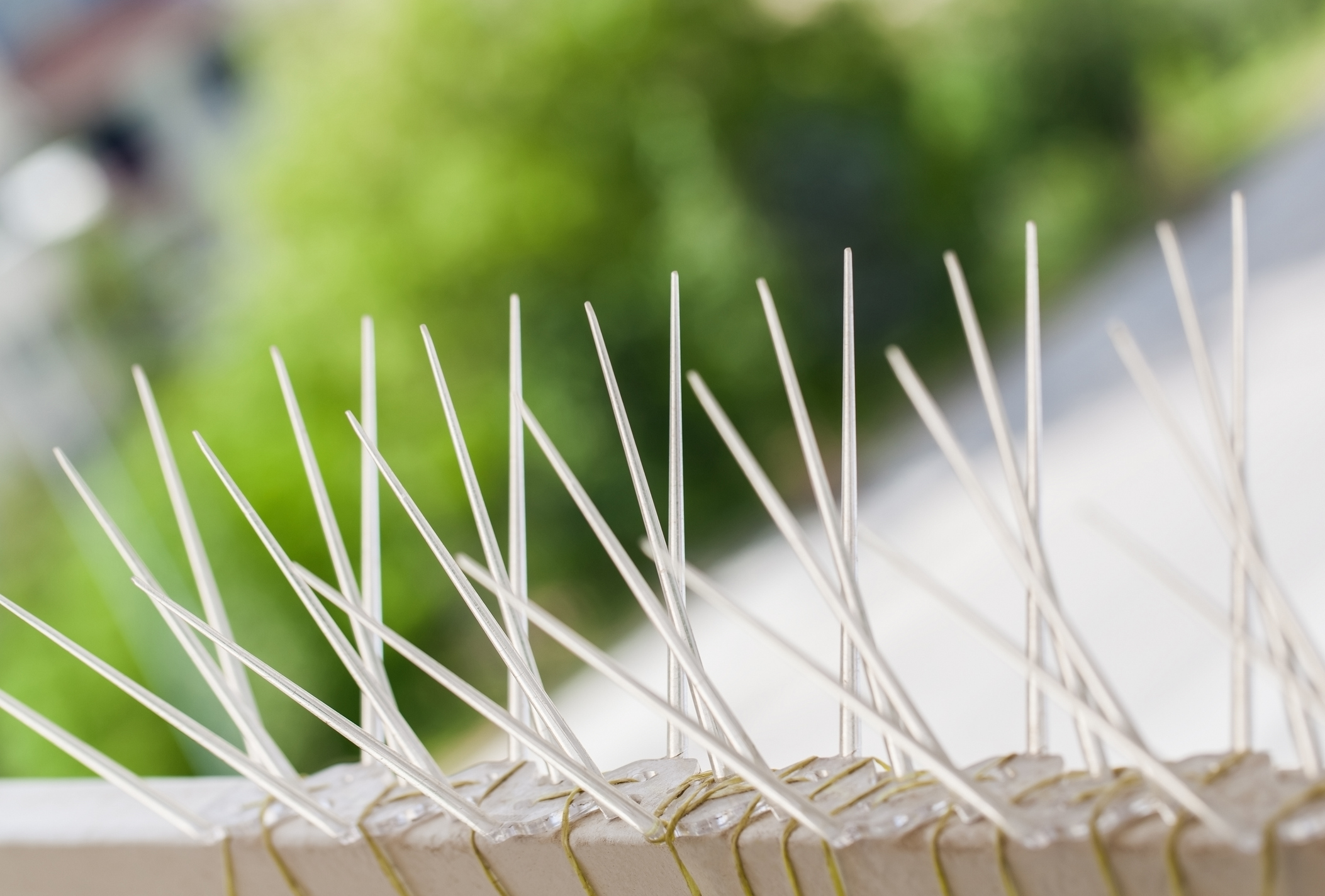
How Bird Spikes Work
Bird spikes create an uneven landing surface. They are intended to discourage birds from settling on a particular ledge, edge or support rather than catching or enclosing them.
Good results depend on choosing the right surface and covering the actual landing area. A short strip in the wrong position may simply move birds a few centimetres along the same ledge.
- Identify the main perch and approach point.
- Check that the surface can accept secure fitting.
- Cover enough of the usable landing area.
- Keep nearby aerial and satellite equipment clear.
- Leave safe access for future maintenance.
Bird Spike Installation for Common Property Areas
TV Aerial Support Areas
Suitable aerial, mast or bracket areas can be assessed without obstructing the receiving elements.
Roof Edges and Ridges
Exposed roofline landing points may be suitable when access, fixing conditions and coverage allow.
Chimney Ledges
Raised brickwork and flat chimney areas can attract repeat perching, but nests and safe access must be checked.
Gutters and Flat Ledges
Some gutter edges and building ledges may be suitable, depending on surface strength and maintenance access.
Satellite Dish Areas
Nearby perch points can be considered without blocking the dish signal or restricting alignment work.
Small Commercial Properties
Regular landing points above entrances, signs or customer areas can be discussed where the surface is suitable.
Customer Reviews
Read feedback from customers who have used James Wilson TV Aerial Installer for bird spikes, aerial, satellite and television services.
When Bird Spikes May Be a Good Option
Bird Spikes May Suit the Property If
- Birds repeatedly use one clear landing point.
- Droppings collect beneath an aerial or ledge.
- The surface is strong and accessible.
- A non-lethal physical deterrent is preferred.
- The area can be covered without affecting equipment.
Another Approach May Be Needed If
- There is an active or developing nest.
- The surface is unsafe, loose or badly damaged.
- Birds are entering a roof void or building.
- The problem covers a wide or complex structure.
- The main issue is an aerial or satellite fault.
Active Nests Must Be Protected
Wild bird nests and eggs are protected by law while a nest is being built or used. Bird spike work must not damage an active nest or cause it to be abandoned. If nesting activity is found, installation may need to wait and specialist wildlife advice may be appropriate.
This page provides general service information rather than legal advice. The engineer will only proceed where the work can be completed safely and responsibly.
What the Bird Spikes Service Can Include
Problem Area Inspection
Identify where birds land, gather and leave droppings around the property.
Access and Surface Check
Review height, weather, working access and the condition of the proposed fixing surface.
Aerial and Dish Awareness
Check nearby signal equipment, cables, brackets and areas that need future maintenance access.
Spike Position Advice
Discuss the practical coverage required for the regular landing point.
Secure Installation
Fit suitable bird spikes where the surface, access and conditions allow.
Related Signal Checks
Discuss aerial or satellite testing when bird activity may have exposed an equipment fault.
Bird Spikes and TV Aerial Equipment
Bird deterrent work around television equipment requires more care than fitting spikes to an empty ledge. Aerial elements, mast clamps, coaxial cables and signal direction should remain clear.
Before Spikes Are Fitted
- Check whether the aerial is secure.
- Look for bent or damaged elements.
- Inspect visible cable and bracket condition.
- Confirm the proposed spikes will not obstruct equipment.
- Consider whether the aerial needs repair first.
When a New Aerial May Be Better
An old, corroded or unstable aerial may not be a sensible base for bird spikes. Replacing the aerial can provide a secure system and allow deterrent requirements to be considered during installation.
View TV Aerial InstallationBird Spikes Near Satellite Dishes
Satellite dishes need an unobstructed signal path and accurate alignment. Any bird deterrent must be positioned so it does not enter the signal path or prevent future adjustment.
Keep the Dish Face Clear
Spikes should not obstruct the dish reflector or the line between the dish and LNB.
Protect Cables and Brackets
Fitting should avoid trapping, cutting or placing pressure on coaxial cable and support hardware.
Check Signal Problems Separately
A moved dish, faulty LNB or damaged cable requires satellite fault finding rather than bird spikes alone.
View Satellite Dish InstallationHow Bird Spike Installation Works
Describe the Bird Problem
Tell the team where birds perch, how often they return and what mess or damage you have noticed.
Check Access and Activity
The engineer considers safe access, the surface, weather, bird activity and any sign of an active nest.
Assess Nearby Equipment
Aerials, dishes, brackets, cables and future maintenance access are reviewed.
Explain the Suitable Coverage
You receive practical advice about the perch point and the amount of deterrent work likely to be required.
Fit the Bird Spikes
Suitable spikes are installed securely where the agreed surface and access allow.
Complete Final Checks
The work area and nearby television equipment are checked before handover.
Bird Spike Installation Prices and Free Quotes
The price depends on the area requiring coverage, installation height, surface condition, access, nearby signal equipment and the amount of preparation required.
What Can Affect the Price?
- Length and width of the landing surface
- Aerial, chimney, ledge or roofline access
- Surface preparation and fixing method
- Number of separate perch points
- Nearby aerial or satellite equipment
- Weather and safe working conditions
Get a More Useful Quote
Send your postcode, describe where birds land and provide safe ground-level photos where possible. Do not climb onto a roof or use an unsafe ladder to take photographs.
Request a Free QuoteReducing Bird Mess Around the Property
Bird spikes focus on preventing future perching. Existing droppings, nesting material, blocked gutters or damaged surfaces may need separate cleaning or repair work.
Identify the Source
Check whether the mess comes from one regular perch, several roof edges or birds entering another part of the building.
Use Enough Coverage
Leaving an easy landing space next to the spikes may simply move the problem along the same surface.
Keep Gutters and Drains Clear
Heavy debris or blocked drainage may need attention separately from deterrent installation.
Related Aerial and Satellite Services
TV Aerial Repairs
Fault finding for loose aerials, poor reception, damaged cables and missing channels.
View TV Aerial RepairsTV Aerial Installation
New aerial fitting and replacement systems for reliable Freeview reception.
View Aerial InstallationSatellite Dish Installation
Dish fitting, realignment, LNB checks and satellite signal support.
View Satellite ServicesFreeview Installation
Aerial setup, channel tuning and terrestrial signal testing.
View Freeview ServicesFreesat Installation
Subscription-free satellite television, receiver setup and dish checks.
View Freesat ServicesAre Bird Spikes Effective?
Read more about how bird spikes work and the situations where they may help.
Read the Bird Spikes GuideLocal Bird Spike Installation Near You
James Wilson TV Aerial Installer provides local bird spike installation and related aerial services where engineers are available. Send your postcode and a brief description of the problem area.
Check Local Coverage
Use the areas page to find information about local engineer availability.
View Areas We ServeCall with Your Postcode
Explain whether birds are using an aerial, roofline, chimney, ledge or dish area.
Call 0800 001 4212Send Safe Photos
Ground-level photos may help show the perch point and nearby equipment.
Send a WhatsApp MessageBook Bird Spike Installation
Contact James Wilson TV Aerial Installer for bird spikes on suitable aerial areas, rooflines, ledges, chimneys and locations near satellite equipment.
Opening hours are Monday to Friday from 8am to 9pm, and Saturday to Sunday from 8am to 5pm.
Bird Spikes FAQs
Do bird spikes harm birds?
Bird spikes are designed as a non-lethal deterrent. They make a suitable surface difficult or uncomfortable to land on rather than trapping or intentionally injuring birds. Correct product choice and fitting are important.
Can bird spikes be fitted to a TV aerial?
They can often be fitted to suitable parts of an aerial or aerial support area. The engineer must first check the aerial, brackets, signal and access to confirm that spike fitting is practical.
Will bird spikes affect my TV signal?
Correctly positioned bird spikes should not affect reception. If the aerial is already loose, damaged or misaligned, the engineer may recommend signal testing or repair before deterrent work.
Where can bird spikes be installed?
Bird spikes may be suitable for aerial support areas, roof edges, ledges, chimney areas, gutters and locations around satellite equipment. Suitability depends on the surface, access, bird behaviour and nearby equipment.
Can bird spikes stop pigeons sitting on my aerial?
Bird spikes can help deter pigeons from landing on a suitable aerial or support area. Results also depend on correct coverage and whether easy alternative perch points remain nearby.
Can bird spikes be fitted when there is an active nest?
Active bird nests and eggs are protected by law. Work must not damage or destroy a nest that is in use or being built. Installation may need to be postponed and specialist advice may be required.
Can bird spikes be installed near a satellite dish?
Yes, suitable areas near satellite equipment can be assessed. The deterrent must not obstruct the dish, move its alignment or interfere with cables and brackets.
Do you offer same-day bird spike installation?
Same-day local service may be available depending on your postcode, engineer schedule, safe access, weather and the work required. Calling early gives the best chance of a faster appointment.